Lifecycle and patch management
We assess updates and security advisories, check dependencies between Proxmox, Ceph, backup and hardware, and plan the maintenance sequence. Tests, approvals and post-update checks are documented.
A management platform and operations team for your Proxmox environment.
Through our management platform, we take ongoing operational responsibility for more than 10,000 systems. Monitoring, maintenance and incident handling belong together. We agree which tasks we take on for your environment.
Discuss your operating modelAssesses alerts.
Resolves incidents. Implements changes.
We manage them continuously through our management platform, with a team that knows the environment and looks after it.
Our management platform provides a common basis for support. The Sysfacts team assesses alerts, handles incidents and implements agreed changes. Technical tools and operational responsibility are part of the same service.
Your IT team retains control. We define scope, approvals and escalation routes together.
Record system status and relevant alerts.
Assess impact and prioritise the response.
Handle incidents or implement agreed changes.
Check the result and document the status.
Scope depends on your environment and team. Platform operations, guest operating systems and applications are clearly distinguished in the agreement.
We assess updates and security advisories, check dependencies between Proxmox, Ceph, backup and hardware, and plan the maintenance sequence. Tests, approvals and post-update checks are documented.
We monitor backup jobs, resolve failures and test agreed recovery procedures. Retention and separate backup copies are aligned with your requirements.
We define measurement points, thresholds and alert routes. For each relevant alert, we agree who takes ownership and how it is handled.
We standardise recurring tasks and document configurations. Changes are assessed, agreed and implemented with a clear record.
We agree service hours, response times, maintenance windows and escalation routes to match your needs. A Proxmox subscription and Sysfacts operational services are different services. We align them.
The infrastructure and decisions about it remain yours. You choose how far Sysfacts supports technical operations.
Your experts run the environment. We document it, train the team and provide agreed support for specialist topics, maintenance or version upgrades.
We take on defined tasks such as cluster maintenance or resolving backup failures. Responsibilities and handovers between teams are documented.
We continuously manage the agreed infrastructure components. Your IT team controls requirements and approvals. Contacts, reports and coordination are part of the agreement.
You can commission a cluster upgrade without handing over ongoing operations. We assess the starting point, plan the steps and carry out the upgrade with your IT team.
Upgrade Proxmox and Ceph clustersWe document which systems we manage, when we are available and who acts when something fails. Platform monitoring does not automatically include round-the-clock support.
We also support platforms we did not build. Before taking over, we assess their condition and establish what work is still needed.
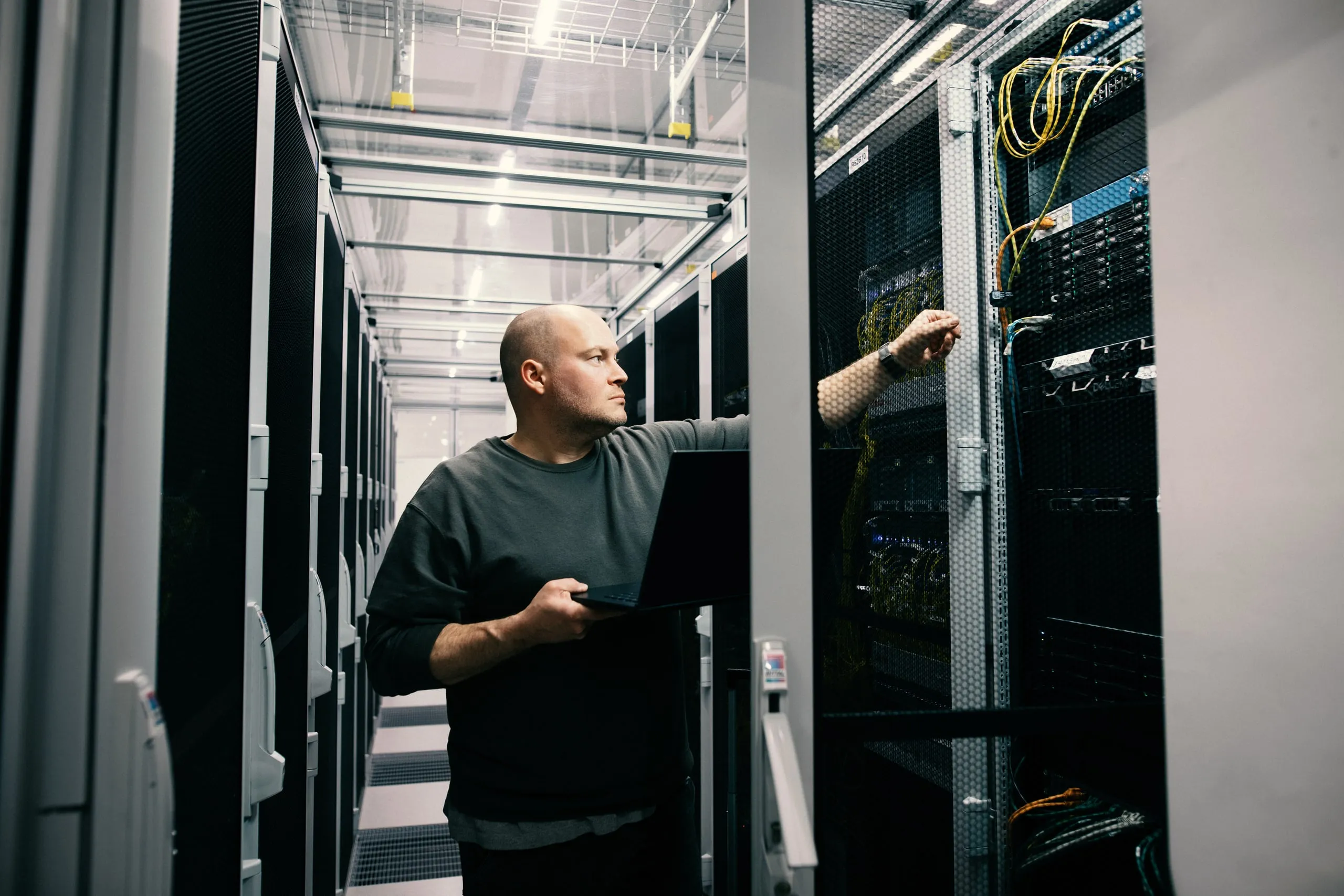
Record versions, cluster health, capacity, backup and documentation. Identify outstanding risks.
Connect the environment to our management platform. Set up access, monitoring and alert routes. Agree services, responsibilities and service hours.
Check prerequisites together, take over tasks and start regular coordination.
At onboarding, we agree how the environment can be handed to your IT team or another provider: documentation, configurations, administrative access and disconnection from our management platform. Rights and dependencies for automation are clarified separately. The scope, effort and timeline of a future handover are recorded.
We clarify which tasks you want to delegate and what is still needed before we take over. This includes the condition of the environment, access and interfaces with your team. Scope and service hours are then agreed.
Discuss operational support Still planning the move from VMware? Architecture, implementation and operations